Nestpod Launches Lactation Pods

Nestpod Launches Pilot Lactation Pods

From idea → validation → pilot → launch, startup Nestpod is turning insight into real-world impact.

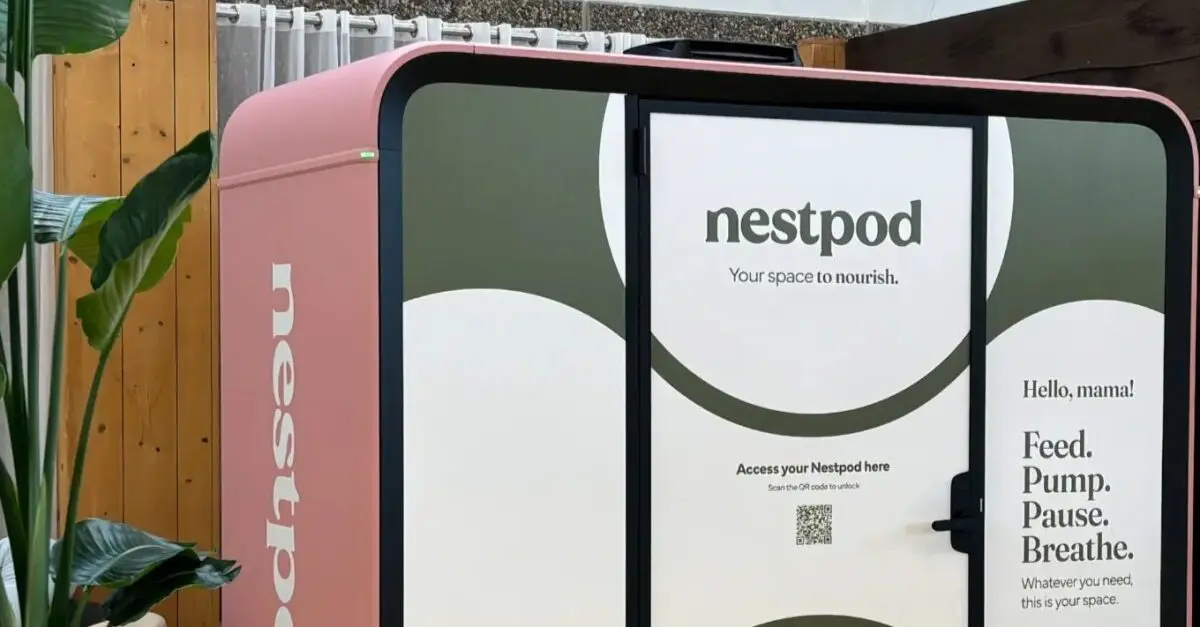
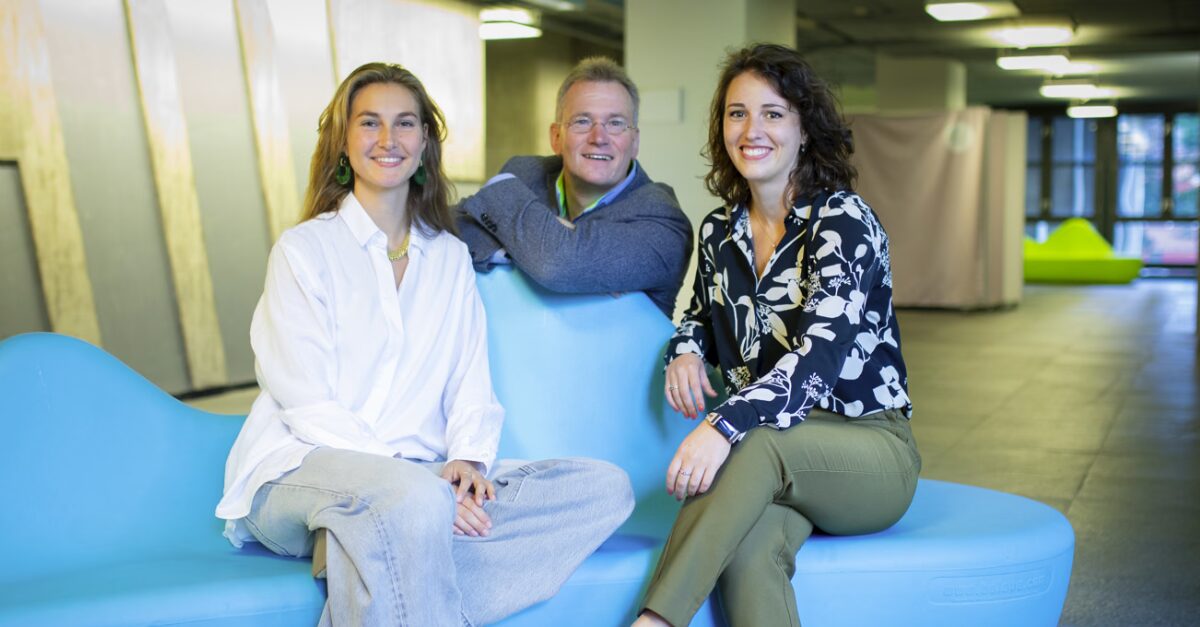
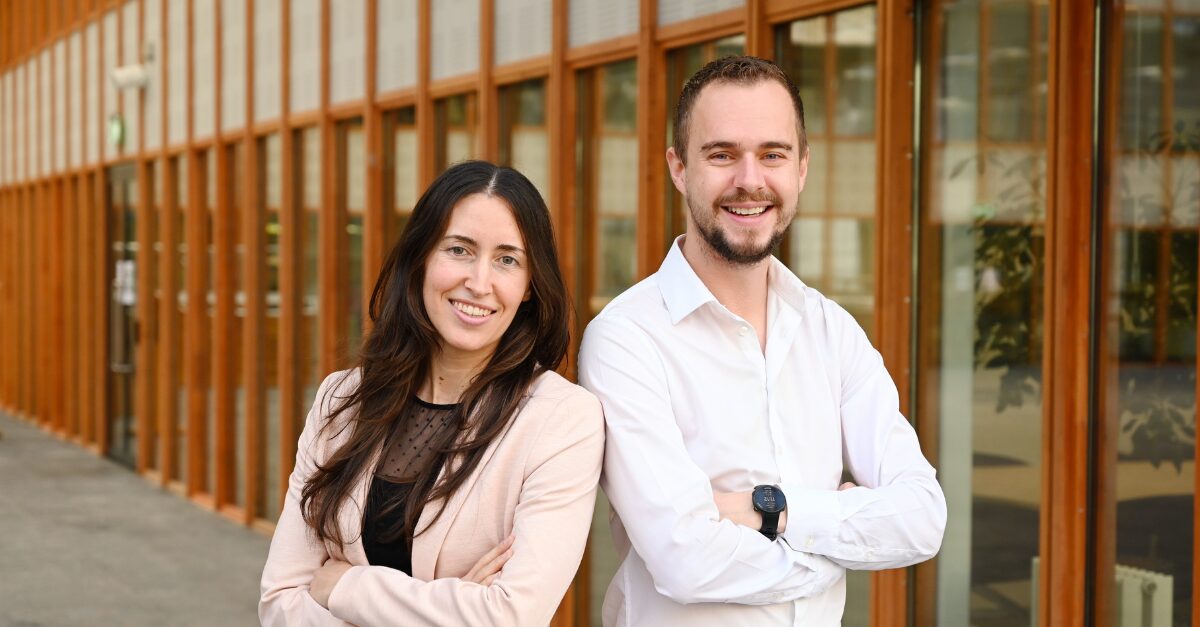
Founders Naomi Griekspoor and Birgitta de Gruijter, graduates of the UtrechtInc Tech Validation program, developed a pod designed to provide mothers with a comfortable and private space for breastfeeding or pumping.

At the Negenmaandenbeurs in Amsterdam, the team officially launched their pilot, speaking with hundreds of visitors and gathering valuable feedback from (expectant) mothers about the product.

It’s a great example of why validation matters: test early, listen carefully, and build what people truly need. UtrechtInc is proud of Nestpod!

€1.5M for Sparqle

Sparqle Raises €1.5M to Modernize Delivery

Amsterdam-based startup Sparqle has secured €1.5 million in funding, including support from the European Union, to scale its emission-free delivery infrastructure across Europe.

Founded in 2022 by Tim van Alphen, Ruurd Tjeerdema and Maurice Stam, Sparqle is building a logistics network designed for modern e-commerce. The company connects retailers and online brands with sustainable, emission-free delivery options, powered by proprietary software, a rider app, and a fleet of electric cargo bikes and vehicles that optimize delivery routes.

The startup is already active in the Netherlands, Belgium and France and plans to expand into more European cities. With e-commerce continuing to grow and cities pushing for cleaner logistics, Sparqle aims to combine sustainability, efficiency and customer experience in a sector that many still consider outdated.

This new funding marks an important step in Sparqle’s mission to build the next-generation logistics backbone for e-commerce, while helping reduce the environmental impact of last-mile delivery.

Read more.

UtrechtInc in the Financial Times "Europe’s Leading Startup Hubs 2026" ranking

UtrechtInc has been recognized in the Financial Times “Europe’s Leading Startup Hubs 2026” ranking.

While we are proud of this recognition, the real stars of this story are the entrepreneurs, researchers, and students who walk through our doors every day.

Our alumni feedback was a core part of the FT’s evaluation, proving that the support we provide translates into real-world growth.

“This ranking is a testament to the hard work and impact of our founders. It validates their commitment to turning research and ideas into scalable businesses that solve societal challenges. Incubators like UtrechtInc reflect a broader European effort to turn the region into a magnet for talent and capital, leading the way in solving the world’s most complex challenges.” Stefan Braam, Startup Incubation Lead at UtrechtInc.

This ranking is a win for the entire Utrecht Science Park. It validates our shared mission with UU, HU, and UMCU to empower our researchers and students. Together we are building businesses that solve the most pressing challenges in Health, Sustainability, and Education.

Would you like to be part of our community? Join our upcoming validation programs, applications are open now!

🔗 Learn more about our Programs

Toastie Talk

Startup Team Building Lessons from an Early-Stage Founder

Toastie Talk 26.02 – Building the Right Team Before Raising Funding

At our latest Toastie Talk, Robert shared an honest and practical story about building a startup team from the ground up — before funding, before scale, and before external validation.

The session focused on one central theme: team building and growth in the early stages of a startup.

Here are the key lessons.

1. Start With the Right Founding Team

“Being part of an incubator meant I didn’t have to do this alone.”

Shortly after joining an incubator, a third co-founder joined the team — a software engineer from industry. That addition created a strong complementary mix: applied science, computational expertise, and industry experience.

That combination made it possible to build an MVP within about a year.

Importantly, this happened without funding.

At that stage, external investors were not interested. Even later, closing funding rounds proved challenging. But because the founding team was strong and aligned, they were able to build a product that generated revenue before raising outside capital.

Lesson: A strong founding team can buy you time and independence.

2. Using Equity as a Strategic Tool

Equity has played a central role in attracting senior talent.

After closing their first pre-seed round, they hired a director who relocated from the US to Europe. For senior roles, equity is part of the compensation structure. The company uses Stock Appreciation Rights (STARs), a structure that is less complex than traditional stock options.

They are now formalizing equity for all employees and are transparent about it during recruitment.

Robert emphasized one practical point: good legal support matters and the UtrechtInc network helped significantly.

Lesson: Equity is not just a financial tool, it signals long-term commitment and shared ownership.

3. Hiring Philosophy: Mindset Over Skillset

One of the strongest themes of the session was hiring mistakes.

The biggest errors happened when technical skills were prioritized over mindset.

At one point, they had to let their first full-time hire go after the probation month. The lesson was clear: ignoring early “yellow flags” rarely works out.

Red Flags 🚩

  • Entitlement
  • Lack of accountability
  • Projecting problems onto the employer
  • Requiring constant supervision
  • Focusing on individual achievement over team success

Green Flags ✅

  • Strong generalists who can adapt as the company evolves
  • Problem-solving mindset
  • Ability to learn
  • Team recognition and shared credit
  • Clear communication
  • Comfort with startup risk and transparency

Robert stressed that in early-stage startups, roles change quickly. Someone hired for one function today may need to adapt significantly within nine months.

Lesson: Skills can be developed. Mindset is harder to change.

4. Building Culture Across Disciplines

The team consists of applied scientists, software engineers, and computational biologists — people who do not always “speak the same language.”

To bridge that gap:

  • Daily stand-ups
  • Bi-weekly sprint meetings
  • Dedicated science meetings
  • Transparent Slack communication

Sales updates, trial progress, and technical challenges are shared openly. With a team of around ten people, transparency is essential.

5. Remote-First and Outcome-Focused

The company operates remote-first. Team members are based in Japan, Belgium, the UK, Switzerland and Slovenia.

They worked fully remote for three years before opening a physical office. Today, they operate hybrid.

They do not track hours. Instead, they track outcomes.

Bi-weekly sprints and clear KPIs keep everyone aligned. Meetings are intentionally limited (around four to five hours per week). To structure progress, they use “autonomy levels”, similar to self-driving car benchmarks, to define what percentage of datasets can be automatically analyzed.

Lesson: Clear goals reduce the need for micromanagement.

6. The Bigger Picture

If there was one overarching insight from the session, it was this:

  • A strong founding team can outperform early funding.
  • Equity should be intentional.
  • Mindset consistently outweighs technical brilliance.
  • Transparency builds trust.
  • Culture must be actively designed.

Team building is not a one-time decision, it is an ongoing strategy.

Startup spotlight

FwdFaster

FwdFaster AI – Redefining the Future with Expert-Powered AI

The Problem

Despite unlocking impressive efficiencies and reshaping how we navigate the world, the current AI paradigm’s focus on scale, speed and optimization fails to address today’s most pressing social, political, environmental and ethical challenges. Too often, long-term societal and planetary well-being are treated as secondary concerns or left out of the agenda altogether. In this dynamic, human experts are increasingly pushed into the passenger seat. Their judgment, contextual understanding and responsibility are overshadowed by systems designed to optimize for short-term performance rather than long-term public value. As a result, decisions that shape healthcare, policy, compliance, sustainability and safety risk are becoming automated without clear accountability and responsibility.

The Solution

FwdFaster AI calls for a paradigm shift in how AI systems are designed and deployed. Instead of replacing or sidelining experts, AI can strengthen their role, supporting human judgment rather than simulating it. This requires coordinated action at the European level to ensure that technological progress remains aligned with societal values, democratic principles and the public interest. By embedding AI within expert-led processes and grounding it in shared European standards and responsibilities, we can build systems and infrastructure that are not only powerful but also trustworthy, ethical and fit for long-term impact across European Member States and beyond.

Why now?

We are at a critical inflection point. An important crossroad. AI capabilities are advancing faster than the institutional frameworks, governance structures and professional practices needed to guide them responsibly and successfully. Decisions made today will shape how expertise, accountability, and public trust evolve for decades, having a great impact on society and our economy. Europe has a unique opportunity to lead, not by racing to automate everything, but by setting a global example for human-centered, expert-driven AI. The question is no longer whether AI will be integrated into high-stakes domains, but how and where. FwdFaster AI wants to ensure that this integration happens with experts firmly in the driver’s seat, exactly when it matters most.

What makes FwdFaster unique?

FwdFaster is unique because it combines advanced AI with an expert-in-the- loop approach to accelerate high-quality evidence synthesis, improving decision-making, driving innovation and validating promising solutions across a wide range of societally relevant domains. They have started this work in a large number of European projects (7) and (inter)national collaborations with companies and societal organisations. At the same time, they are building software and platform solutions to apply these learned lessons to a wider audience. For example, they conduct collaborative “Screenathon” models enabling experts and AI to rapidly screen massive volumes of scientific literature, building structured knowledge warehouses that make insights reusable and actionable over time. All rooted in open science and trustworthy AI principles.

Meet the Founders

Dr. Frans Folkvord is a behavioral and health scientist specialized in decision-making and the societal impact of technology and AI and is active in a large number of European projects. His work focuses on how digital technologies and AI systems influence human behavior, responsibility and trust, critical insights for designing AI that aligns with public values and long-term societal outcomes rather than short-term optimization. His is an associate professor at Tilburg University, a Technical Expert at the World Health Organization (WHO) and a fanatic athlete in his free time.

Prof. Dr. Rens van de Schoot is an internationally recognized methodologist and statistician, known for his work on evidence synthesis, research integrity and responsible data use. With deep experience at the intersection of science, policy and complex decision-making, he brings a rigorous perspective on how AI should support expert judgment in high-stakes domains. He is a professor on Collaborative AI at Utrecht University and a climber in his free time.

Ir. Jonathan de Bruin is an AI architect, entrepreneur and active research engineer in the open-source community. His work has made him one of the most downloaded Python developers worldwide, with a project recognized as critical infrastructure by the Python Software Foundation. He also designed ASReview LAB at Utrecht University, an open-source AI tool for literature screening. Jonathan focuses on keeping AI effective, capable and integrated into expert workflows. When not coding or researching, he enjoys inline skating at the park.

Follow FwdFaster AI on LinkedIn to stay up-to-date with their activities and to know more,visit https://www.fwdfaster.ai

Bactheravax - UNIIQ's 100th investment

Bactheravax, advancing innovative colon cancer treatment becomes UNIIQ’s 100th investment

UNIIQ marked a major milestone: its 100th investment. The fund announced a new stake in Bactheravax, a UtrechtInc associated startup developing an innovative vaccine concept aimed at improving the treatment of colon cancer.

Colon cancer continues to have a significant societal impact, with high mortality rates despite advances in care. Bactheravax is working on a novel, research-driven approach that could strengthen treatment options and improve patient outcomes.

We congratulate Bactheravax and we look forward to seeing how they progress and contribute to the future of cancer treatment.


Irati, Wido & Carina featured in FD Talenten 2026

🎉 Proud moment: FD Talenten highlights three UtrechtInc founders!

We’re thrilled to share that Irati, Wido and Carina, founders who started their jouneys with UtrechtInc, were recently featured in Het Financieele Dagblad’s FD Talenten coverage, celebrating young entrepreneurial talent driving innovation in the Netherlands.

Each of these founders is building something exciting:

  • Irati Beltrán Hernández, co-founder of Lumox is developing a therapy that targets tumors with unmatched precision, sparing healthy tissue, for patients who now face disfiguring surgery or have no treatment options at all.
  • Wido Heeman, founder of SPCTR is developing a medical device that aims to improve patient outcomes after cancer surgery by combining light with artificial intelligence. Their goal is to lower patient stress, reduce reoperations and reduce the stress on our healthcare system by making surgical time more efficient.
  • Carina Nieuwenweg, founder of Novya Biotech, a synthetic biology company, is developing scalable, fermentation-based pigments inspired by nature. They engineer yeast cells to produce high-quality colors that can replace polluting synthetic dyes and resource-intensive plant extraction.

Their inclusion among the FD Talenten speaks to the impact and promise of founders emerging from academic and research backgrounds and we’re proud to see their hard work and vision recognised on a national stage.

👏 A big congratulations to all three, UtrechtInc is cheering you on as you continue to grow and inspire!

Future Tech Ventures Backs SPCTR to Bring Real-Time AI to Cancer Surgery!

Future Tech Ventures Backs SPCTR to Bring Real-Time AI to Cancer Surgery!

Future Tech Ventures has invested in SPCTR, which is developing real-time AI tools to support surgeons during oncological operations.

Precision in cancer surgery is critically important, not just to remove the tumor, but to make sure cancerous tissue is fully excised while sparing healthy tissue. Traditionally, this “margin analysis” happens hours or even days after surgery, once pathology reports return. SPCTR aims to change that by bringing real-time AI-driven margin analysis directly into the operating room, helping surgeons make better decisions while the patient is still in surgery.

The investment from Future Tech Ventures supports SPCTR in advancing its technology and scaling its impact. By combining advanced AI with surgical workflows, this innovation could reduce the need for follow-up surgeries, improve patient outcomes, and accelerate how AI is deployed in clinical practice.

This is a great example of how Dutch startups at the intersection of AI and healthcare are attracting venture capital and pushing the boundaries of what’s possible in medical technology and it highlights the strength of the Netherlands as a hub for real-world AI innovation in life sciences.

Congratulations from UtrechtInc!

👉 Read the article : https://futuretechventures.nl/update/ai-in-de-operatiekamer-future-tech-ventures-investeert-in-spctr-voor-real-time-marge-analyse-bij-oncologische-chirurgie/


UtrechtInc x ICAT

UtrechtInc partners with ICAT (Innovation Center for Advanced Therapies) to offer full support to Life Sciences & MedTech innovators, all the way from ideation to early commercialisation!

Our strategic partnership with ICAT, creates a modular support system for startups working on next-generation medical technology and advanced therapeutics. With support from the Provincie Utrecht, our enhanced program offers an even stronger platform for life sciences & medical technology startups, helping founders bring innovative therapies to patients faster and smarter.

Located in Utrecht Science Park in Zeist, ICAT’s Open Innovation Facility welcomes startups at all stages of development, from ideas to established ventures, with access to state-of-the-art  infrastructure and field experts. This offer complements UtrechtInc’s dedicated mentorship, extensive business network expertise and guidance on market readiness, tech validation, corporate partners, matchmaking events, dedicated mentorship and an extensive business network.

What value does ICAT add to the UtrechtInc offering?

A fully equipped lab space in an open shared innovation environment; State-of-the art equipment for:

• Tissue engineering & biomaterials

• Histology & microscopy

• Cell and tissue analysis

• Viral vectors

• Cell expansion platforms

• 3D printing & Bioprinting platforms

🧠 Access to a team of experts: Regulatory, GMP compliance, Health Tech Assessment & Economics, QA, QC and Business Development.

Whether you’re building the next breakthrough in medical technology or advanced therapeutics, this collaboration helps you validate, scale and connect.

Call for Applications – Make It Matter Voucher Programme

🔔 Call for Applications – Make It Matter Voucher Programme 🔔

Researchers at Utrecht University and UMC Utrecht are invited to apply for the Make It Matter Voucher Programme, initiated by Utrecht Holdings.

This voucher supports early-stage technology validation and is designed to bridge the gap between academic discovery and commercial application. The programme enables researchers to validate commercial potential, increase Technology Readiness Level (TRL), and strengthen intellectual property (IP).

Key points:

• €25,000 voucher for 12-month proof-of-concept projects
• For early-stage technologies (not regular research projects)
• Success-based repayment: only repay if commercialisation is achieved
• Open to UU and UMCU employees with novel IP and commercial potential

📅 Application deadline: 12 March

Interested in turning your research into real-world impact?

Get in touch with the Make It Matter team or visit the website for more information.